Spring 2026 SOWK 531 Class 08 Weekly Email
Email sent on to SOWK 531
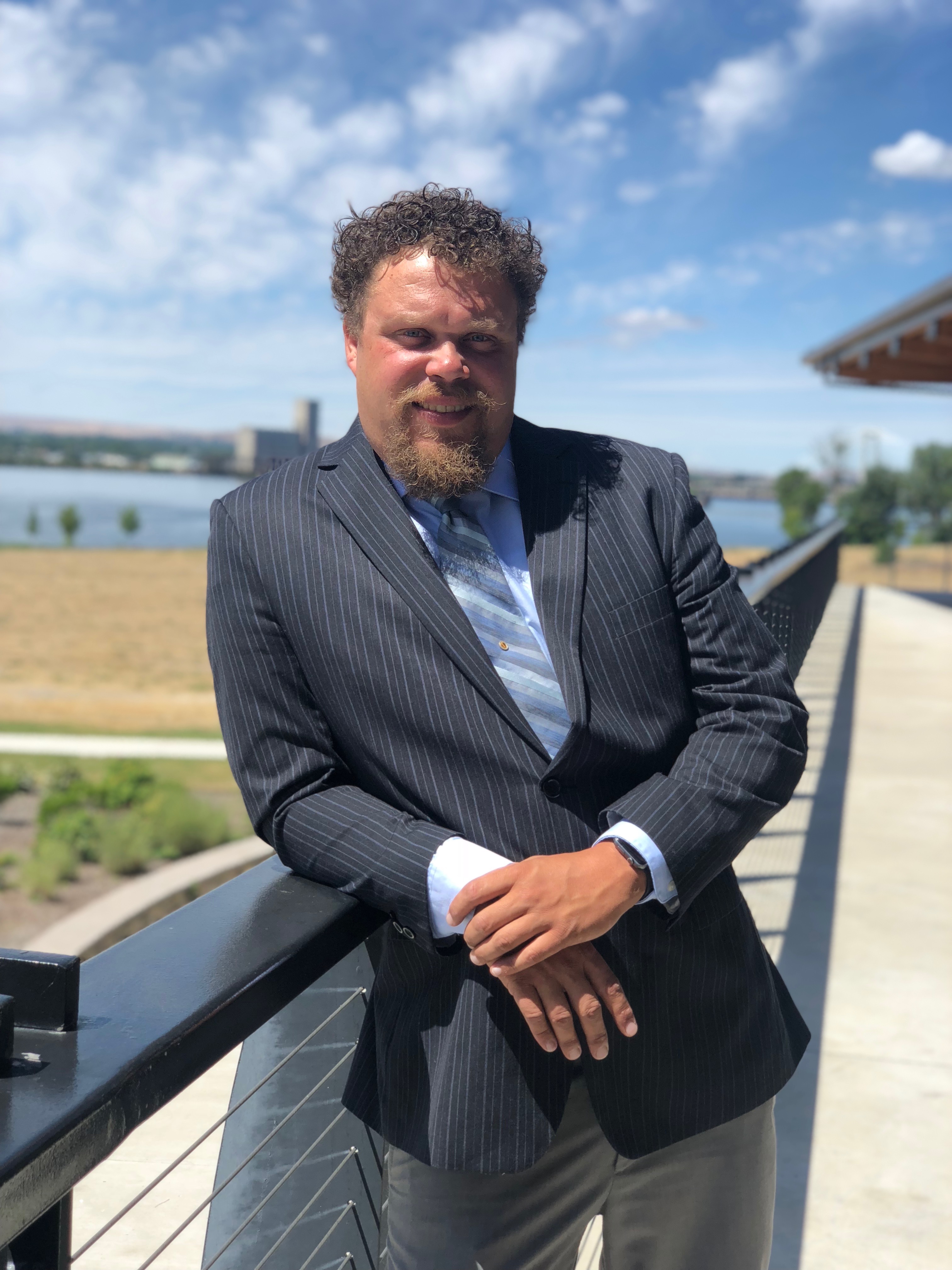
I know it took me a little bit to get everything up for you all. I made it so there are less replies. Have a great week and next week is Spring Break for you all.
Unit Introduction and What You Will Learn
Week eight is asynchronous. Students reading from Kirst-Ashman and Hull (2018) discuss strategies for creating meaningful change in communities. There are forums that explore community empowerment and the textbook’s content. Examples of a more drastic social action approach are shared and discussed by students, along with a case study with prompts. Students also have an opportunity to share about how they keep information organized. A short lecture video is shared discussing community building.
The agenda includes:
- Week’s content
- Community Building
- WA’s Prevention Planning Framework
- Capacity Building
Learning objectives over this week include:
- Identify strategies for capacity building in community work.
- Analyze confrontational approaches to social action.
- Identify the steps in assessing community change potential.
Unit Assignments
Content
- Read Kirst-Ashman and Hull (2018) Chapter 9: Macro Practice In Communities
- Engage with content shared in resources
- Watch lecture video
W-08 A-01: Asynchronous Participation and Engagement
The expectation is that each of your replies will be substantive and provide meaningful perspectives, contributing to the forum’s conversation and scholarship. They can be related to the prompts or building on conversations shared by peers. There are five forums for this week, and you are expected to make at least 4 replies across any of the forums and read all of your peers’ replies. These forums include the following:
- Empowerment and Community Work asks students to consider how empowerment functions in community practice and how social workers can foster individual and group change.
- A rural community grappling with youth violence and gang activity sets the stage for Community Change Case Study, where students apply community perspectives and problem-solving orientations from the textbook.
- Students reflect on the frameworks and tools used to organize information during community change efforts in How Do You Keep Information and Organization.
- More Drastic Approaches to Social Action engages students with documentary and news media on confrontational community organizing tactics, from farmworker strikes to ICE resistance coalitions.
- Textbook prompts on bargaining, negotiation, force field analysis, and macro-level risk are the basis for discussion in Questions Drawn From Textbook Chapter Nine.
Unit Resources
You can listen to a podcast episode for this week’s reading Chapter 9: Macro Practice In Communities, or see the entire series Podcast Series.
Kirst-Ashman and Hull (2018) describe a range of conflict approaches that might be taken when engaging in social action. The stronger the approach might have increasingly strong repercussions. I want to provide a few extra resources that people can engage with to see examples of more drastic approaches or even what they describe as more intrusive and controversial approaches to social action. Students are encouraged to engage with at least one of the following sources and reflect on it in the forums.
Watch (length 0:55) Chicano! The Struggle in the Fields: This episode chronicles César Chávez’s nonviolent efforts to organize farm workers in California’s central valley into a national labor union, highlighting the strikes, boycotts, pilgrimages, and fasts that defined the farmworkers’ fight for self-determination (Morales, 1996).
Watch (length 1:52) The Interrupters: This Frontline documentary follows three former street criminals in Chicago as they work as CeaseFire “violence interrupters,” placing themselves in the middle of disputes to prevent shootings and killings in their communities while revealing their own journeys from violence to redemption (James, 2012).
Read The Coalition Behind Minnesota’s ICE Resistance: An analysis of the 2026 Minnesota resistance to Operation Metro Surge, documenting how a coalition of groups engage in direct action to put pressure on ICE enforcement (Museum of Protest, 2026).
All of the presentations for this class can be found at https://presentations.jacobrcampbell.com. This week’s slides are Spring 2026 SOWK 531 Week 08 Building Capacity in a Community.
The Lecture Videos tab in the MyHeritage course is where you will be able to find class recordings. The video this week is at Spring 2026 SOWK 531 Week 08.
Reference
James, S. (Director). (2012, February 14). The interrupters (Season 30, Episode 3) [TV series episode]. In D. Fanning (Executive Producer), Frontline. WGBH Educational Foundation. https://www.pbs.org/wgbh/frontline/documentary/interrupters/
Kirst-Ashman, K. K., & Hull, G. H. (2018). Generalist practice with organizations and communities (7th ed.). Cengage Learning.
Morales, S. (Producer & Director). (1996). The struggle in the fields (Episode 2) [TV series episode]. In H. Galán (Series Producer), Chicano! History of the Mexican-American civil rights movement. Galán Productions; NLCC Educational Media. https://www.facinghistory.org/resource-library/chicano-episode-2-struggle-fields
Museum of Protest. (2026, February 14). The coalition behind Minnesota’s ICE resistance: Labor, faith, immigrants. https://museumofprotest.org/news/the-coalition-behind-minnesotas-ice-resistance-labor-faith-immigrants/
To-Do Lists
- Read the chapter
- Engage with at least one shared resource
- Watch the lecture video
- Complete at least four replies across the forums