
Envisioning Trauma-Informed Schools
Essay
On this page
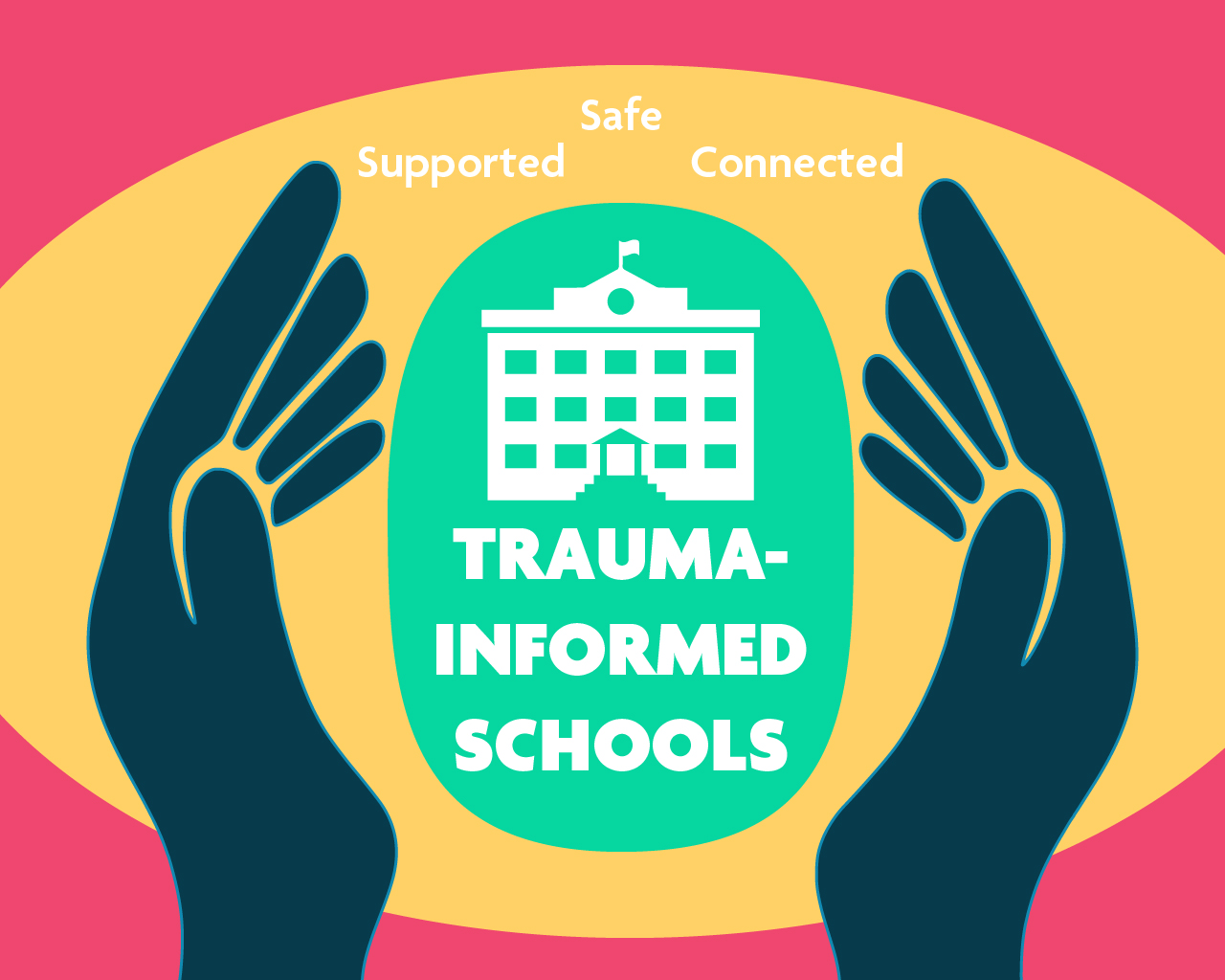
I wish I had been able to attend the visioning session that Laurel led. It looked like a great experience, and I got an opportunity to watch some of it. I also watched the Donella Meadows Institute (2011) video of the speech that Meadows gave at the Third Biennial Meeting of the International Society for Ecological Economics. Considering these topics led me to follow a similar model but explicitly related to my inquiry. I considered similar levels of questioning as identified by Meadows in being related to the home, the neighborhood, the surrounding community, the nation, and the paradigm. In thinking about a school system, the home was how I would feel personally in waking up, the neighborhood would be within the school district, and the surrounding community would be other school districts. Finally, I also considered the nation and the general impact of being trauma-informed.
During my time at CIIS, I have focused on my actual project and its details. I have not spent time dreaming about what it might look like if the United States embraced trauma-informed practices. My plan for my dissertation is focused on doing participatory action research with a group of teachers working with students with Emotional and Behavioral Disabilities to learn more about trauma-informed practices cooperatively.
It is refreshing and invigorating to consider a positive view of what it would look like if schools were all implementing trauma-informed practices. The following is a brief reflection. Considering this, I believe it is something that I will need to continue to come back to and review. There is a certain level of detail that I’ve provided, but it would help to come back again and again to refresh what it could look like, with more specific and expounded-upon particulars.
A Vision of Trauma-Informed Schools
As a school employee, I would wake up first thing in the morning rested and rejuvenated. I will have had time and opportunity to practice self-care the previous day, and it has made me feel ready to engage with my students. Working with students with severe disabilities and behavioral problems can be challenging. We had a couple of students who had emotional outbursts, and I helped de-escalate them and help them process these disturbances. The processing led to some discussion about the challenges they have faced outside of the classroom as well. The staff in my classroom are given sufficient time in the day. We have time to debrief about the class sessions, our interactions with students, and plan for the following days as a built-in piece of our schedules.
I use the retreat room after my lunch break to spend some time following some guided meditation. After work, I go to the fitness center to get in some needed physical activity. Every day, I can take time for self-care and reflection. All staff are encouraged to practice self-care, and the school district provides many options. There are incentive programs providing benefits for staff that engage in self-care practices. Learning and talking about self-care is instituted during ongoing professional development. The school culture has staff encouraging each other to engage in a healthy work-life balance and improve their connection.
Along with professional development promoting positive self-care practices, there is training for all staff around trauma, its impact on students, and the concept of compassion fatigue. The educational team takes on a perspective of being stewards of their students’ trauma and implementing trauma-informed practices. This perspective manifests in many ways, but one example is in the view of student discipline. When there are negative behaviors (whether acting out behaviors or more general problems such as lack of attendance or failing assignments), the question is not centered around what type of punishment needs to happen. The response is what is happening in this student’s life and how we can best support them.
The various classrooms working with students with Emotional and Behavioral Disabilities have an ongoing and supportive professional learning community within my school district. These meetings give staff occasion to reflect on practices within their classroom, their students’ particular needs, learning new skills to increase competence, and connecting staff to recognize they are working together with a larger team. There is also a connection with the greater community and professionals in other school districts to understand new and best practices. These teams are made up of social workers like myself, special education teachers, and other support staff.
Funding has been provided across the nation to make sure that all schools have sufficient resources to help address student needs and have appropriate staffing. An increase in teachers allows for smaller class sizes and increased related services such as counselors and social workers. Every school has staff equipped to address the mental health needs of their students and their families. Schools are incentivized to form positive community partnerships and find innovative ways of addressing community needs.
Working in trauma-informed schools has teachers feeling safe and supported. To provide the best education for their students, the school team has to have their needs met. There are still students who have difficult circumstances, but staff are there to help support them and feel that they have the time and tools necessary to make a safe and supportive environment.
Reference
Donella Meadows Institute. (2011). Donella Meadows “down to earth” speech [Video]. Vimeo. https://vimeo.com/30752926
About
This essay was originally used as a discussion forum post for TSD 6137 - Reverse Imagineering as a part of my coursework working on my Ph.D. at CIIS. A month later, I wrote the literature review that became the foundation of my dissertation, and the professional learning community in this vision is the one I went on to study.
Trauma-Informed Care Schools Self-Care Imagination
Recommended
A Professional Learning Community for Developing Trauma-Informed Practices using Participatory Action Methods
Essay May 2021